
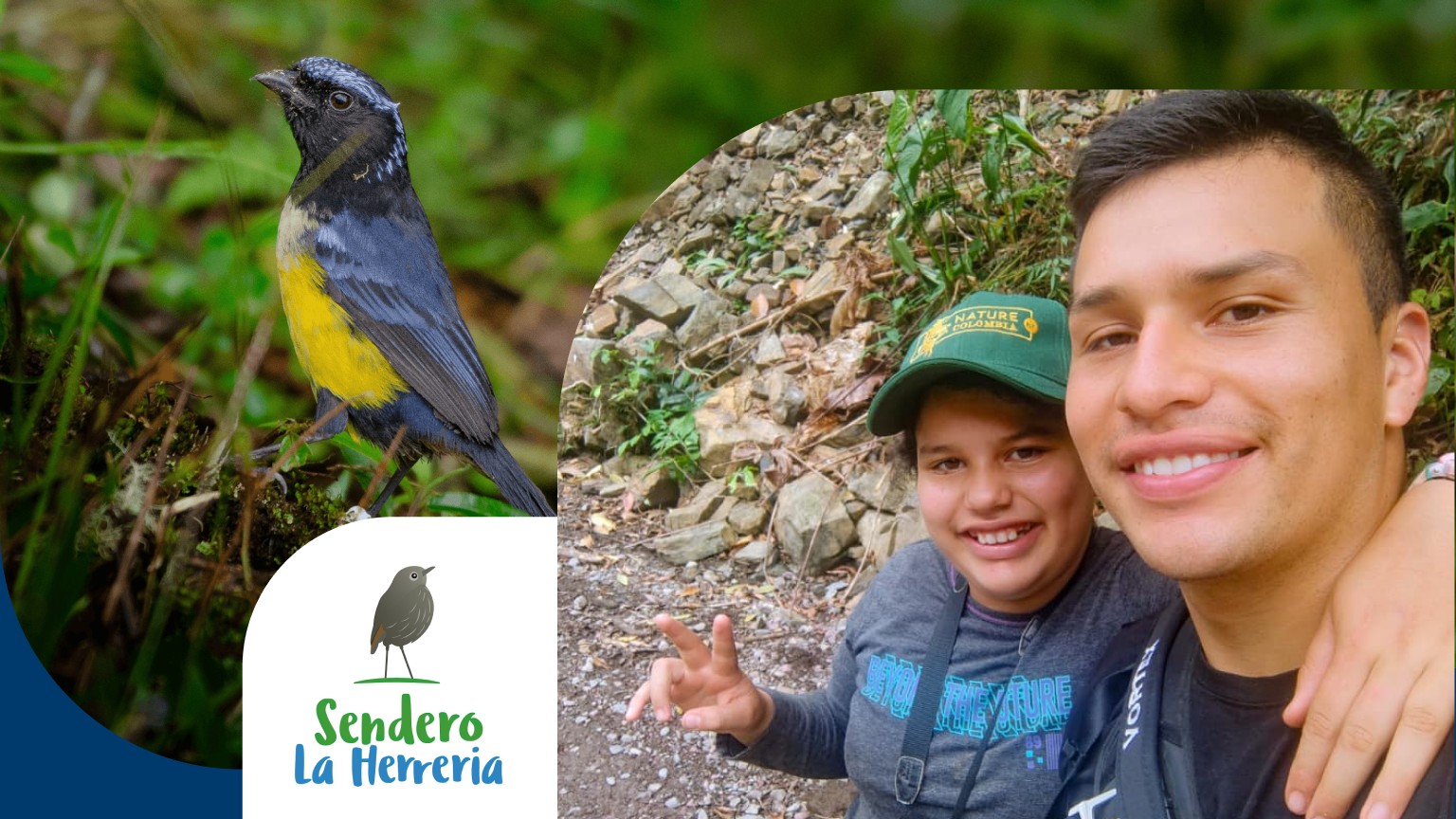
High in Guayabetal, Cundinamarca, surrounded by cloud forest and unique biodiversity, live Yersson and Shaira Herrera. Together with their parents, they are part of Sendero La Herrería, a family-run project dedicated to the conservation of endemic species and responsible tourism.
During a visit to the project, Bridge’s CEO, Jean-Marc Alberola, had the opportunity to learn firsthand about the work carried out by the Herrera family and the impact Sendero La Herrería has on the conservation of birds and local ecosystems. It was in this context that Bridge decided to grant them an English learning scholarship, as a concrete way to support their development and amplify the reach of this initiative.
Today, Sendero La Herrería is the only place in the world where the Cundinamarca Antpitta bird can be observed feeding at a feeder, thanks to the family’s daily and committed work. The project receives international visitors, researchers, and birdwatching enthusiasts, making English not just a plus, but a real necessity.
We spoke with Yersson and Shaira about their experience learning English with Bridge and how this process has become a key tool to expand their project’s visibility and connect with people from all over the world.
English as a Real Need, Not an Academic One
Both Yersson, 22, and Shaira, 10, share something beyond English: a strong curiosity for languages. For them, learning a new language is a way to better communicate with the people who visit the trail and to broaden their personal and professional horizons.
For Yersson, English stopped being just a school subject when the family project began receiving international tourists.
“At school, English was very basic. The real need came when the family project started,” he explains.
His learning was mainly empirical, driven by daily interaction with international visitors. However, that constant practice was not always accompanied by structure.
“I asked a lot, like ‘how do you say this?’, but my grammar was very weak. There isn’t always someone to correct you,” he explains.
The Bridge scholarship marked a turning point: personalized classes, constant feedback, and a safe space to make mistakes and learn.
Learning With Purpose, From an Early Age
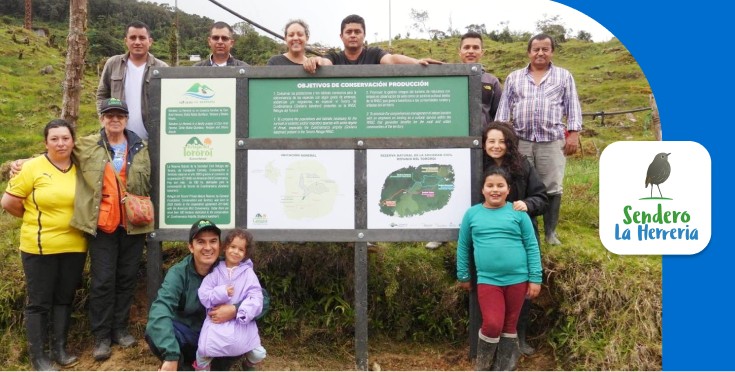
Shaira also actively participates in the project. She enjoys reading, learning languages, and helping visitors who arrive at the trail.
“I feel useful when I can help people understand what they need,” she says.
About her experience with Bridge, she highlights the personalized approach to learning:
“Here they really assess your level and help you improve, especially pronunciation. I like that the teacher is patient and explains things calmly.”
For Shaira, learning English is a door open to the future:
“English opens many opportunities for me, even if one day I don’t continue with the project.”
In addition to strengthening his English, Yersson has shown interest in continuing to learn other languages, such as German, driven by his motivation to communicate with visitors from different countries. In Shaira’s case, her interest in languages goes beyond English—she has also begun exploring French, motivated by her curiosity and love for learning.
A Scholarship That Amplifies Impact
The scholarship granted by Bridge not only strengthened their language learning, but also their confidence. It allowed them to professionalize a key skill for their daily reality and enhance a project that combines conservation, education, and community.
“It’s been fundamental. The teacher corrects in a very constructive way and is always attentive to how she can add more value,” Yersson highlights.
Flexibility and close support were especially important to balance learning with daily work at the reserve. For Yersson, the online modality has been particularly relevant, as it allows him to learn without having to travel long distances—essential given the daily work required by the family project and the location of the reserve.
Beyond the language itself, the scholarship represented a sign of support and trust. It allowed them to learn in a structured environment, with close guidance and classes adapted to their reality.
“We are very grateful. Bridge has been a great help”, Yersson says.
Language as a Tool to Grow and Project Forward
Today, both Yersson and Shaira see language learning as a gateway to new opportunities: more visitors, more cultural exchange, and greater impact for Sendero La Herrería. Their story shows that learning English does not always respond to a corporate objective, but to a deeper purpose: to communicate, to protect, and to share.
At Bridge, we believe that language learning can be a bridge to connect realities, support high-impact projects, and expand horizons. Yersson and Shaira’s story reminds us that when learning has meaning, its impact goes far beyond the classroom.