
 Bridge TEFL
 Expert Series Webinars
 BridgeUniverse Blog
 TEFL Jobs
 Language Training
 About Bridge


— teaching young learners
- November 13, 2026

What Is CLIL? The Global Trend in Bilingual Education Explained
Bilingual education isn’t just for bilingual communities. Research shows that learning a second language benefits just about everyone, so schools... - October 19, 2026

What Is TPR for Teaching English and How Can I Use It?
Total Physical Response, or TPR, is an ESL teaching technique based on the way children first learn to speak their... - October 2, 2026

What Is TPRS? A Look at the Language Acquisition Strategy That’s Growing in Popularity
Students can learn the grammar rules and still go silent when it is time to speak. TPRS addresses exactly that... - September 15, 2026

What Is Reflective Teaching and Why Is It Important?
By Gerald Smith
Reflective teaching is a practical way to regain your confidence and interest in ESL education when your teaching starts to... - August 3, 2026

How to Create ESL Lesson Plans for TEFL + 17 Top Sites to Find Free Ones!
A planned, structured TEFL lesson guides your curriculum as a teacher and provides measurable objectives for students. Let’s take a... - June 17, 2026

Explore 6 English Language Teaching Niches With Bridge Graduates
Are you a prospective English teacher feeling unsure about which types of learners you should teach? Or, maybe you’re an... - March 10, 2026

Top Strategies for Teaching Grammar to English Language Learners
By Shélynn Riel
Knowing how to teach grammar to students is an essential aspect of your role as a language teacher. Your students... - February 26, 2026

10 No-Prep ESL Activities for the Last 10 Minutes of Class with Kids
Uh oh! It’s 11:30 and you've finished teaching your ESL lesson, but your class isn't scheduled to end until 11:40!... - February 25, 2026

Last-Minute ESL Lesson Plans That Can Be Adapted for Any Class
Whether you have some extra time in class or are filling in for another teacher, these last-minute ESL lesson plans... - February 24, 2026

12 ESL Warm-Up Activities for English Classes at Every Age
These ESL warm-up activities for young learners, teens, and adults will get your students into a learning mindset and prepare... - February 23, 2026

16 Fun ESL Games and Activities for Kids & Teens
By Bridge
Learning English as a second language probably won't make young learners' and teens' list of top three favorite activities, but... - February 17, 2026
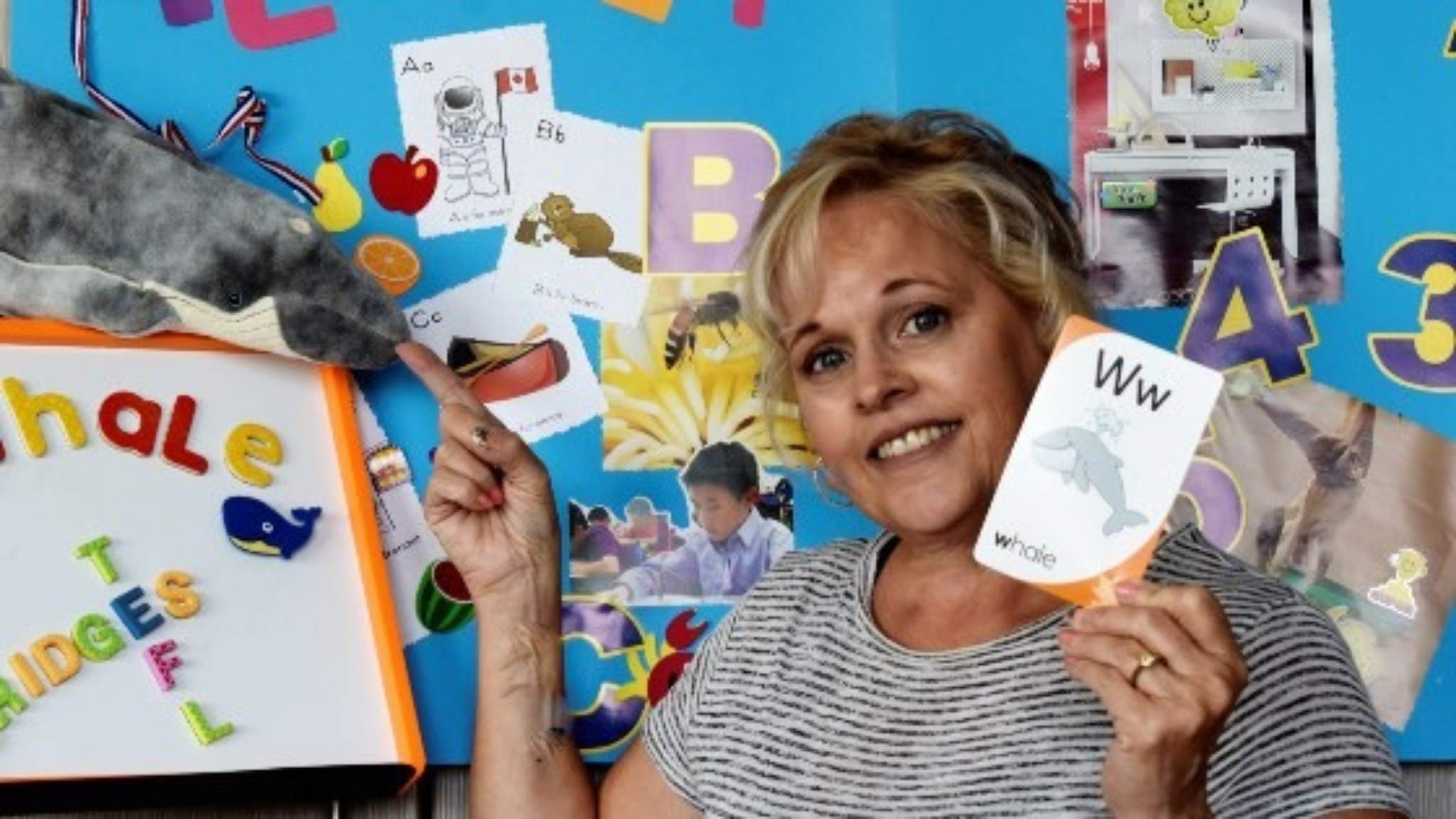
How to Teach ESL Vocabulary: Top Methods for Introducing New Words
Vocabulary is crucial to a student’s language development in order to relate thoughts, ideas, and feelings effectively – in other words,... - February 4, 2026

What’s the CEFR? The GSE? English Language Learner Levels Explained
Students' English proficiency levels can get confusing! Learn about the CEFR, a universal standard for describing language learner levels that's... - February 2, 2026

13 Easy ESL Icebreakers to Get Your Students Talking
Whether starting the first day with a bang or re-energizing students throughout the term, ESL icebreakers get students moving, build... - January 20, 2026

How to Teach Kids English: Everything You Need to Know About ESL for Young Learners
By Kevin Mermel
Kids, children, and teens, collectively referred to as “young learners,” make up one of the most common student demographics within... - November 19, 2025
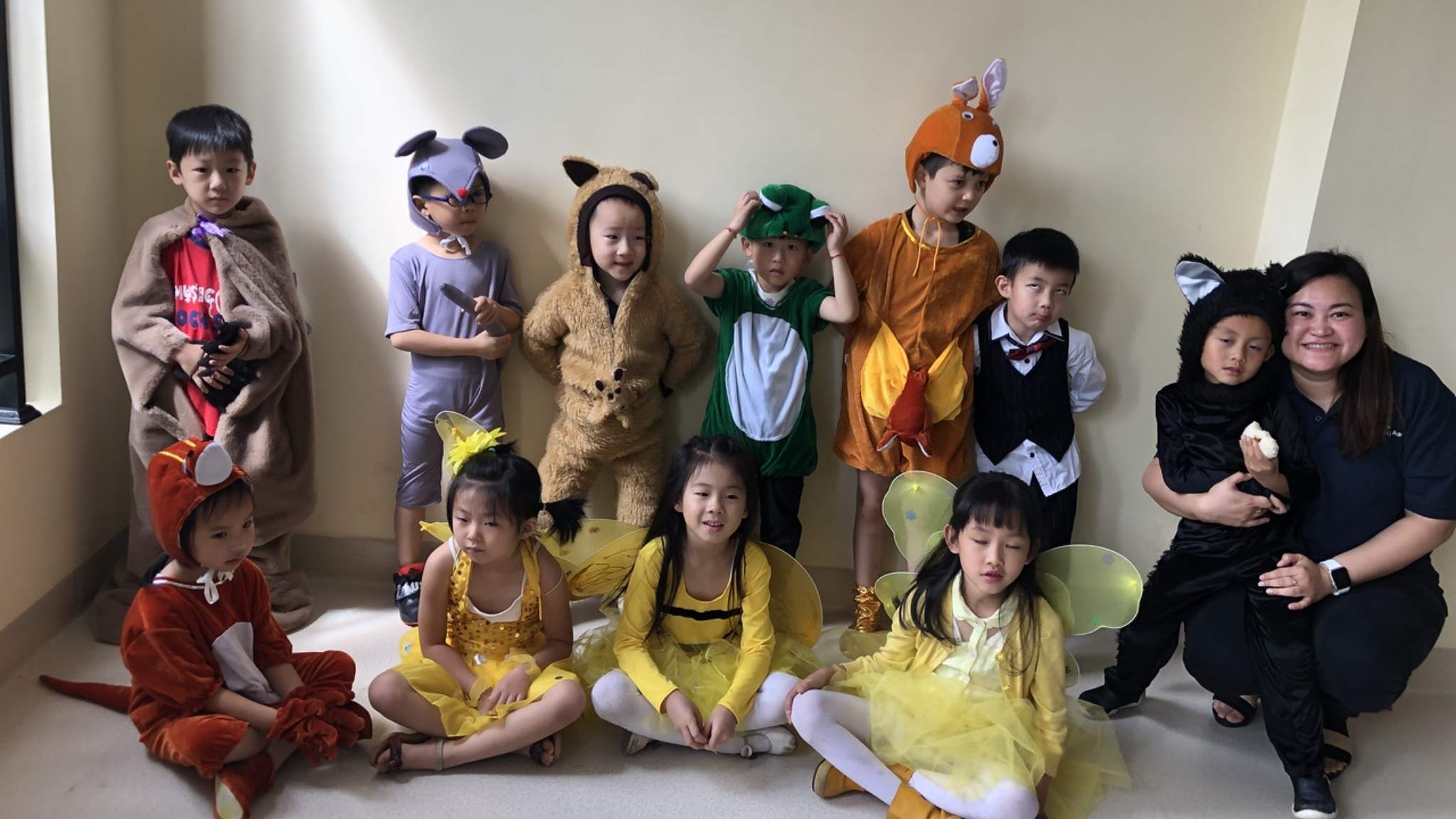
Using Drama as an ESL Teaching Method
Using drama as an ESL teaching method is a fun way to engage your English language students, get them up... - September 30, 2025

10 Engaging ESL Halloween Activities for a Frightfully Fun Lesson
When Halloween approaches, ESL teachers have a perfect reason to be wickedly happy. The holiday gives you the ideal moment... - September 29, 2025

How to Personalize Your English Lessons: 7 Effective Strategies
Do your learners sometimes find it hard to relate to your class topics or make progress on their tasks? If... - September 1, 2025

Strategies for Supporting Neurodiverse Learners in the English Language Classroom
Neurodiversity and teaching neurodivergent learners are familiar topics for educators. Most teachers have a few students with individual learning plans... - June 4, 2025

Pedagogy First: Frameworks for Integrating Technology and AI With Purpose in ELT
By Shélynn Riel
Technology has long been a fixture in English Language Teaching (ELT), from cassette tapes and language labs to mobile apps... - February 13, 2025

How to Create Engaging ESL Grammar Lessons
Don't be scared by ESL grammar lesson plans! Incorporating these 5 basic things ensures that your grammar lesson will be... - February 11, 2025

Keep Your Eyes on the Prize: Using Objectives in ESL Lesson Planning
Writing objectives in ESL lesson planning is essential if you want to deliver an effective and engaging lesson. We'll teach... - December 13, 2024

Your Guide to Fluency vs. Accuracy in English Language Teaching
There are many goals English language teachers consider when developing their instructional strategies and deciding on class activities. Considering whether... - November 2, 2024
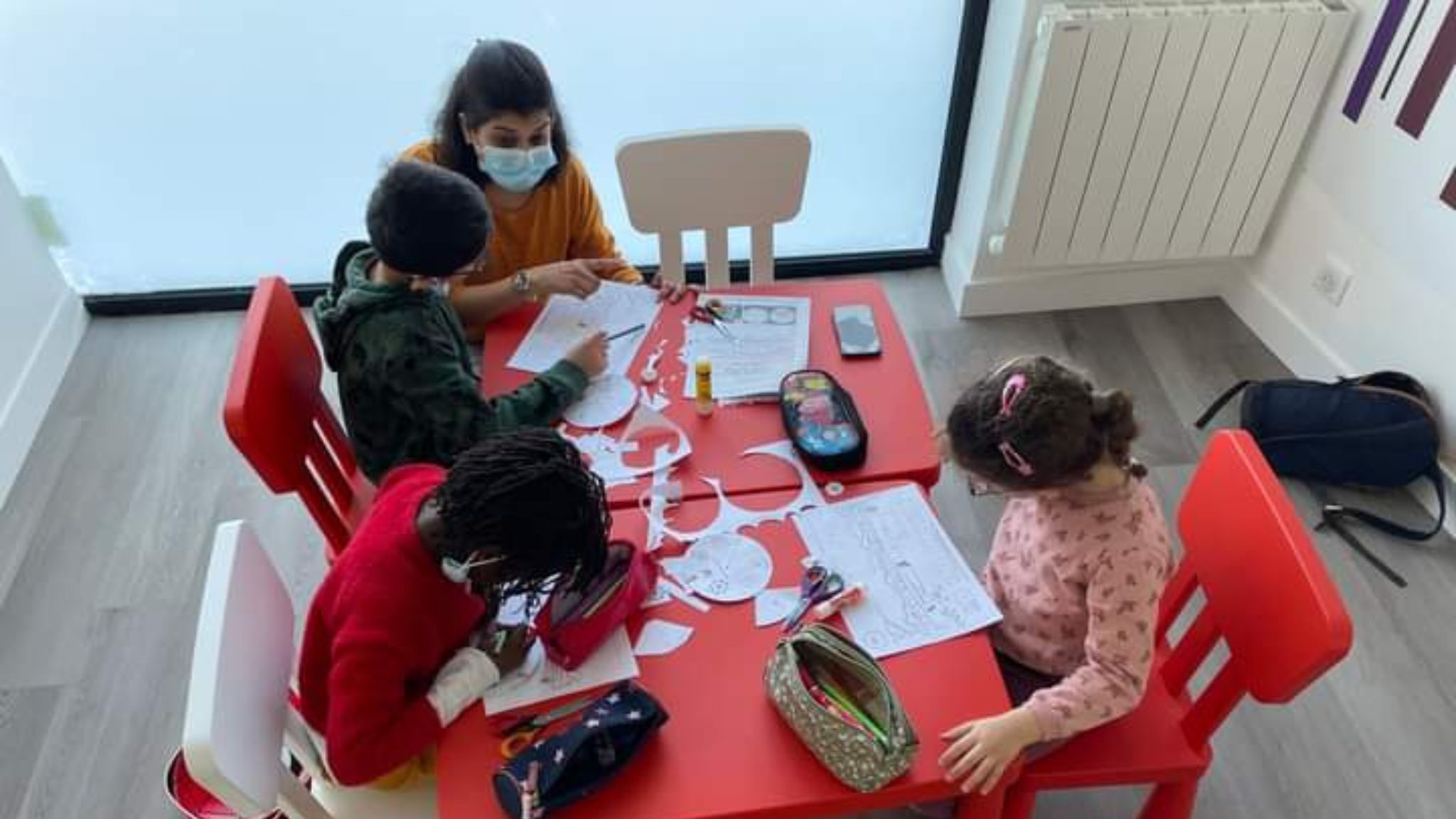
Finding Your Niche in English Language Teaching
By Bridge
So, what exactly is a niche, and how do you find yours when teaching English? In business, a niche is... - September 15, 2024

10 Strategies to Help Struggling English Language Learners
It’s common for English language learners to struggle. Students may struggle for a variety of reasons – lack of confidence,... - September 13, 2024

Best Reward Systems for Teaching English Online or In-Person
Whether it’s about reciting the alphabet well or being able to strike up a conversation in English, nothing makes you... - June 16, 2024
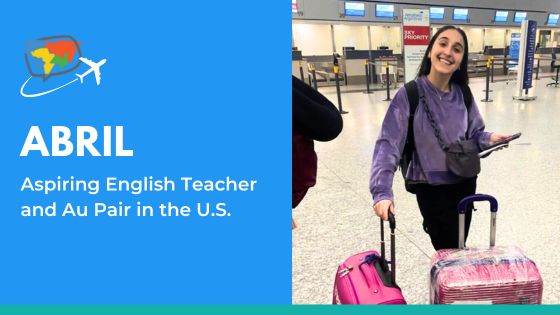
Abril, From Argentina, Aspiring English Teacher and Au Pair in the U.S.
In addition to traveling and having the chance to improve her English skills, getting into teaching ESL drove Bridge grad... - May 27, 2024

You’re Doing Great! Mastering the Art of Feedback for ESL Students
Giving feedback to ESL students is more than saying “good job” or putting a gold star on a quiz. Relevant... - December 4, 2022

ESL Stakeholders – Who Are They and Why Do They Matter?
ESL stakeholders are invested in students' success. Knowing who they are and how to build good relationships with them will...