Bridge TEFL
 Expert Series Webinars
 BridgeUniverse Blog
 TEFL Jobs
 Language Training
 About Bridge





Have you heard of a teaching technique called Total Physical Response, better known as TPR? ESL teachers worldwide use TPR in both the physical and virtual classrooms. This guide explains what TPR is and why it matters for your teaching. It also covers how and when you should use it.
If you’re new to teaching, you’ll want to get initial training and qualification with a TEFL certificate. You can explore our online TEFL courses to get started!
- What is TPR in teaching English?
- What age group is TPR best suited for?
- Does TPR work with adults?
- When should you use TPR?
- When should you avoid using TPR?
- Why is TPR important for teaching English online?
- What are the other benefits of TPR in English lessons?
- What are some TPR activities for online and in-person classes?
What is TPR in teaching English?
TPR, or Total Physical Response, builds on the way children learn their first language.
Actions before words
You don’t just listen to the words when you learn your native language as a child. You watch your parents for clues to find out what their words mean. You don’t respond with your own words right away when you start to understand the language. You usually respond with actions first, until you know the correct words.
New to young learners? Find out how to teach kids English and what to expect from an ESL class.
An example
A mother asks for her child’s favorite toy. The child won’t respond, “OK Mom, I’ll get it!” and then take off. The child responds with an action instead and goes to get the toy. This pattern carries on for many months until the child begins to speak. The child cannot speak during this time, but takes in all the language. They can start to reproduce the language once they have figured it out. TPR aims to mimic this effect in the classroom.
Pairing movement and thought
TPR is a dynamic approach in which the teacher encourages students to use physical responses, such as miming the meaning of a word, alongside spoken responses. Students who act out language appear to interpret meaning through different parts of the brain, pairing physical and intellectual analysis.
Where the method comes from
Psychology professor James Asher developed TPR and published his first papers on it in the 1960s. Asher built the method on the idea that learners absorb language through listening before they produce it, so his lessons asked students to act rather than speak. TPR still carries that focus on comprehension before production.

Ready to master the terms, technology, and teaching tools used in the virtual EFL classroom?
Specialized Certification in Teaching English Online
Get CertifiedWhat age group is TPR best suited for?
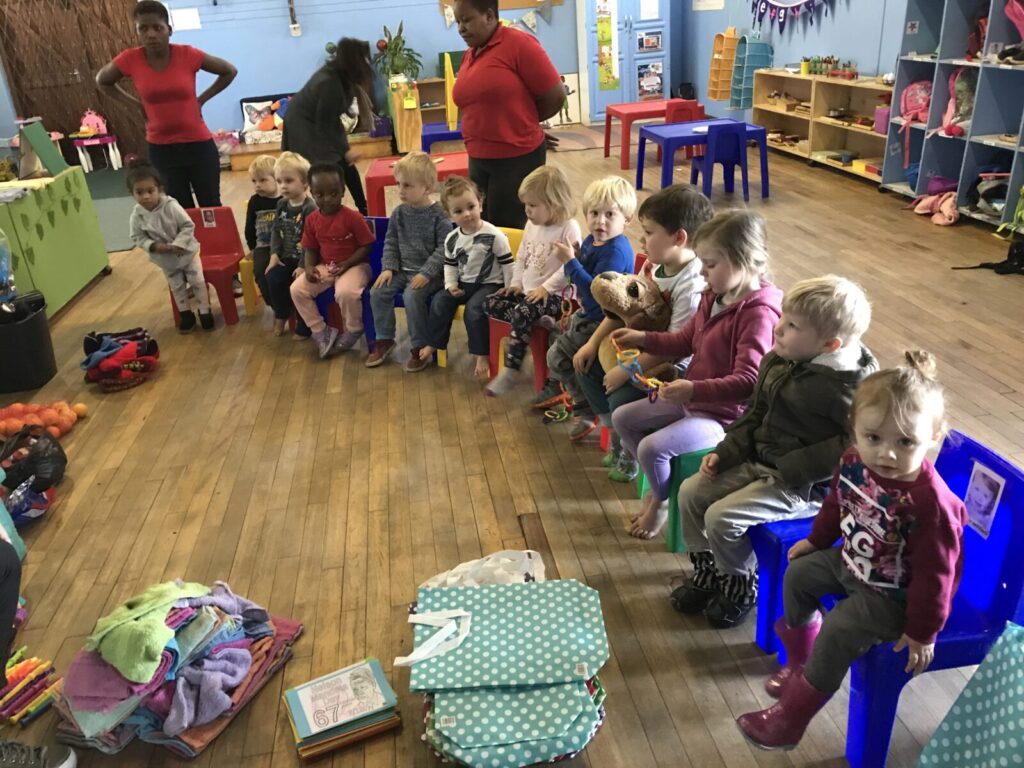
TPR has become a very popular technique, especially with children. You can use this method with young learners by pairing commands such as “touch your nose” or “show me five fingers” with the action. Children can also sing along with the teacher to a song that combines movement with language. Children are naturally curious and enthusiastic about new things, which makes them less shy or hesitant to express themselves using their entire bodies.
Teenagers need a lighter version of the technique than younger children do. Most teens resist whole-body movement in front of their classmates, but they will use hand gestures and small actions they can do at their desks. Model the gesture yourself without drawing attention to it, and most teens will join in.
Does TPR work with adults?
TPR can certainly work with adults, though adult learners are not always as enthusiastic about these activities as young learners. You can still use the method in certain situations, such as a simple activity that teaches imperatives. Students act out phrases such as “sit down,” “stand up,” and “pick up your pencil” to connect the grammar with physical movement.
TPR also fits adult lessons that cover physical processes. Business English students can mime the steps of operating a machine or handling a product while they name each one. Adults learning survival English can act out asking for directions or ordering food, which gives them the language and the gesture at the same time.
When should you use TPR?
Teaching verbs
You can use TPR to teach specific verbs, as the example of imperatives with adults shows. With kids, you can pick a song with plenty of movement verbs and use it as a warm-up activity. Songs like the “Cha Cha Slide” or the “Superman” song work well with young learners.
Learn how to use ESL songs to teach teenagers and kids.
Teaching nouns
You can also use TPR to teach nouns. The technique works very well for nouns that have an obvious action, like headache. Other words that pair easily with actions include toothache, banana, football, and swimming. You can teach these nouns the same way you teach verbs. TPR doesn’t work as well for more static nouns like table.
Need help? Explore the best ways to introduce and teach new ESL vocabulary.
Teaching prepositions
Prepositions of place work well with TPR because students can show the relationship with an object. Give each student a pencil and a book, then say on, in, under, and behind while you place your own pencil in each position. Students copy the movement, then say the preposition as they move the pencil themselves.
Classroom language, imperatives, instructions
TPR actions with classroom language help you avoid many misunderstandings. Give the instruction while you demonstrate the action, then get the students to repeat the TPR gesture. Open your own book, for example, while you ask students to open theirs. Then get the students to repeat the action while they say the instruction.
Using TPR when telling stories
The TPR method for ESL also works well with stories. Children understand the actions even when they don’t understand the words right away, and that supports their comprehension of the story. Students can mime the verb waking up, for instance, when the character in the story wakes up in the morning: they stretch, yawn, and open their eyes while they say it. Students can also mime putting a cup to their mouth and say the verb drink when the character drinks juice at breakfast.
The actions also make the story more interesting and let students participate as the story unfolds. They can change the interactions and energy levels in the classroom. You can get the students to re-enact the story with the TPR gestures they learned once you have told it. This drilling gives students one more pass through the vocabulary.
Have you ever heard of TPRS? Explore ways of using storytelling to teach English.
When should you avoid using TPR?
TPR is an effective method, especially with children, but it does have some disadvantages.
Students who are not used to TPR can find it embarrassing and may be reluctant to participate at first, so the method won’t work with every class. You can often get past this by committing to the activity yourself, modeling the movement, and keeping your own energy high.
TPR is also less suited to advanced students, since it works best for lower-level vocabulary. You may need another method with older, more advanced learners. You can still use TPR for advanced synonyms, though: teach a word such as drink first, then use TPR to teach sip or gulp.
Physical limits matter too. Students with reduced mobility and classes seated in fixed rows cannot manage large movements. Switch to hand gestures and facial expressions in those lessons, because the link between action and meaning works at any scale.
Learn about 8 ESL methodologies and get sample activities with the free guide to
Teaching English Learners: Popular ESL Learning Methodologies
downloadWhy is TPR important for teaching English online?
Use TPR to change the pace and raise your students’ energy levels. Children engage more when they are active. Students who get up and move learn more than students who sit through a word list, and the same applies to an online student who stays planted in front of the monitor.
Plan points in the lesson where students stand up and move around, and you will avoid an uncontrolled outburst of energy later. That outburst is especially hard to manage when you’re teaching English online.
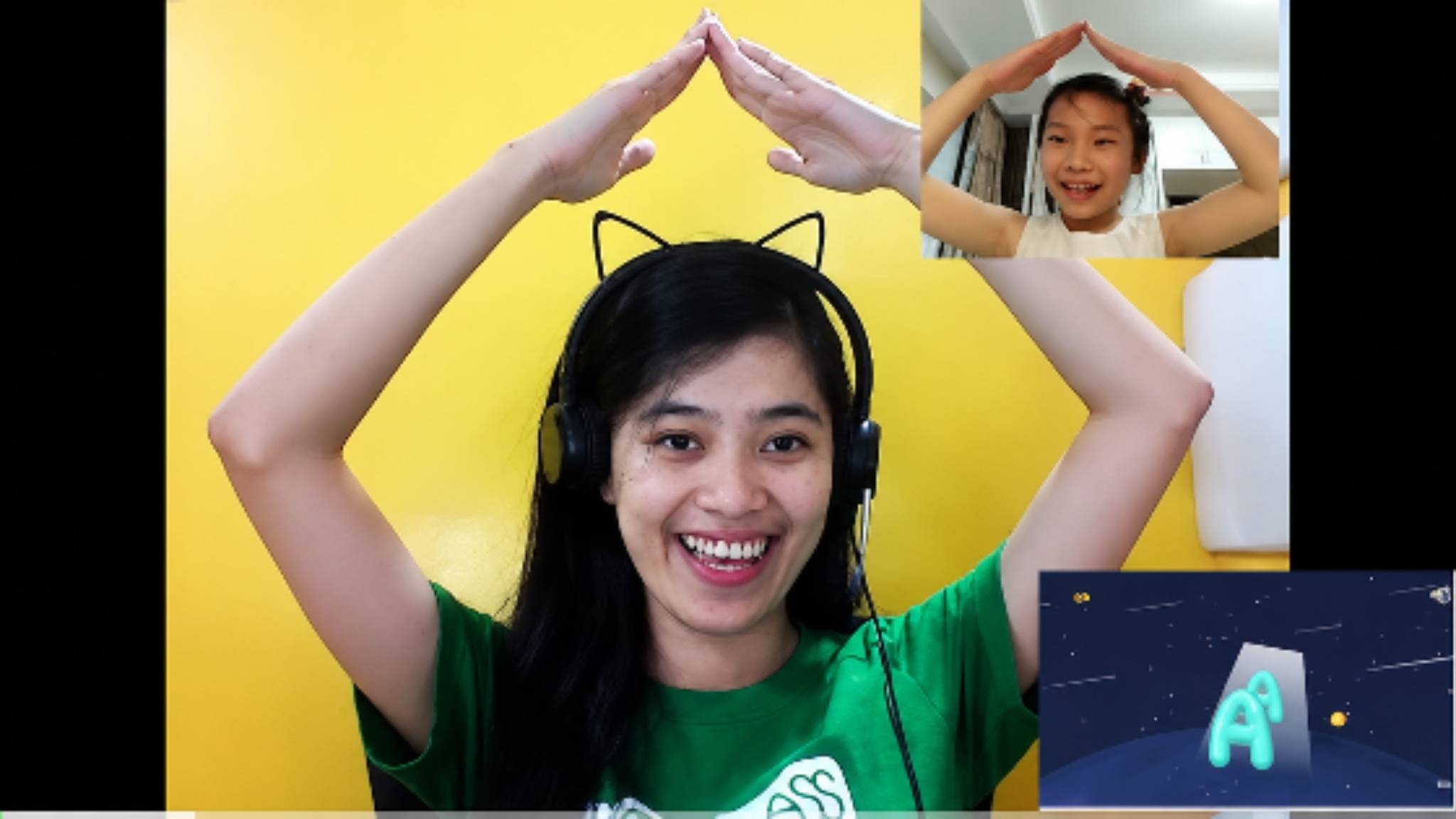
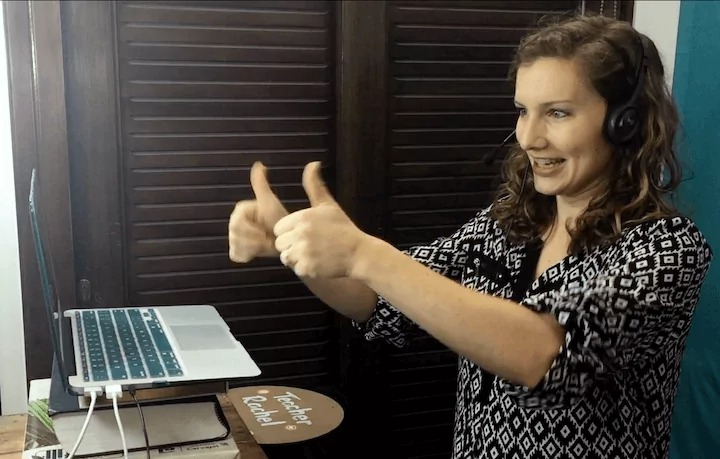
The camera frame changes how TPR works online. Your webcam shows your head and shoulders, so a gesture below the desk never reaches the student. Sit back far enough for your hands to stay in shot, and ask students to adjust their own cameras before the activity starts.

What are the other benefits of TPR in English lessons?
TPR is memorable
TPR helps your English students remember the words and phrases they’re learning. Actions linked to language fix that language in long-term memory. Students forget physically drilled material far less often. Most people who learned to ride a bike never forget how, and physical practice works the same way in an ESL class. TPR supports long-term retention for young learners better than any other technique.
TPR incorporates kinesthetic learning
The traditional theory of learning styles has largely been debunked, but some children do learn best when they move rather than when they watch, listen, or write. TPR gives these children the stimulus that supports their learning.

TPR works with mixed-ability classes
Students who don’t understand the words still enjoy the actions. The children who already know the vocabulary can keep doing the actions while you drill it again for the rest of the class.
Want more hands-on activities? Explore ways to use realia in your ESL classroom.
TPR lowers the pressure to speak
Beginners often understand far more than they can say, and TPR lets them show it. A student who touches the right object or performs the right action proves comprehension without producing a word. That reduces the anxiety of speaking too early and gives you a fast check on who has followed the lesson.
Ready to move students into speaking? Check out these fun and engaging TEFL speaking activities.
TPR requires little or no preparation
TPR requires no materials and almost no preparation beyond a lesson plan that includes the technique. That saves you planning time in every lesson where you use it.
The lack of preparation also makes TPR useful as a filler activity. You can run a five-minute TPR drill or song when your class finishes five minutes ahead of schedule.

What are some TPR activities for online and in-person classes?
TPR mimics the way young children learn their first language from their parents, in the virtual classroom as much as in the physical one, so you take on the role of the parent. In simple terms, you do the following:
These steps apply to both the physical classroom and the online classroom. From here, you adjust your method a little.
Discover why it is important to include interactive games in the ESL classroom.
The physical classroom
You can get students to take turns directing the rest of the class once they are comfortable with the word. One student says and does the action, and the rest of the class follows. Young children enjoy this part.
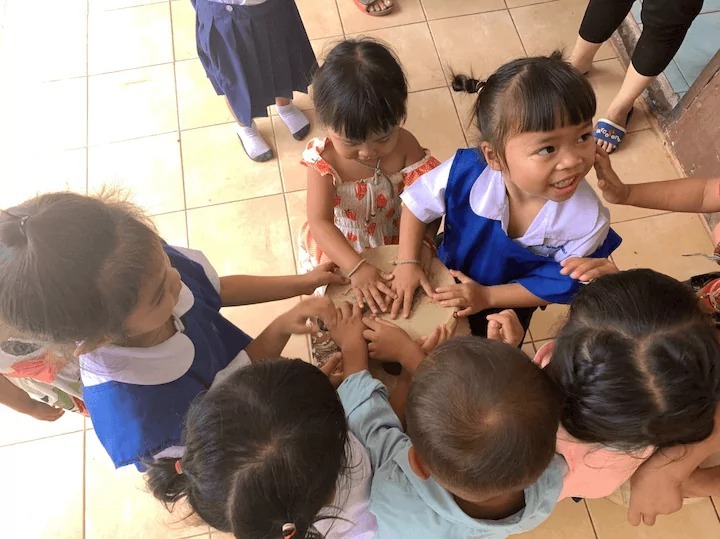
TPR works best as part of a “circle time” activity, where students sit in a circle and have a good view of the teacher. Demonstrate the word first, then introduce the action, then get the students to say the word as they do it.
You can also introduce a whole song with a dance routine that represents the words you want your students to learn. Young children pick up movements and vocabulary quickly when their bodies and minds are equally involved in the learning process.
The online classroom
You can also use TPR in the virtual classroom by adapting some activities that already work in physical classrooms.
One-on-one
You can encourage your student to say and do the action while you follow, once they are getting used to the new word in a one-on-one online English lesson. This switch of the teacher-student role motivates children, because they feel in charge instead of being told what to do by adults most of the time.
Groups
Your students can use their fingers to show the number in the lyrics when you teach a group of young students with a counting song. The repetition in songs also helps them. The screen works well with this method because students focus their attention on your gestures or on presenting their own when their turn comes.
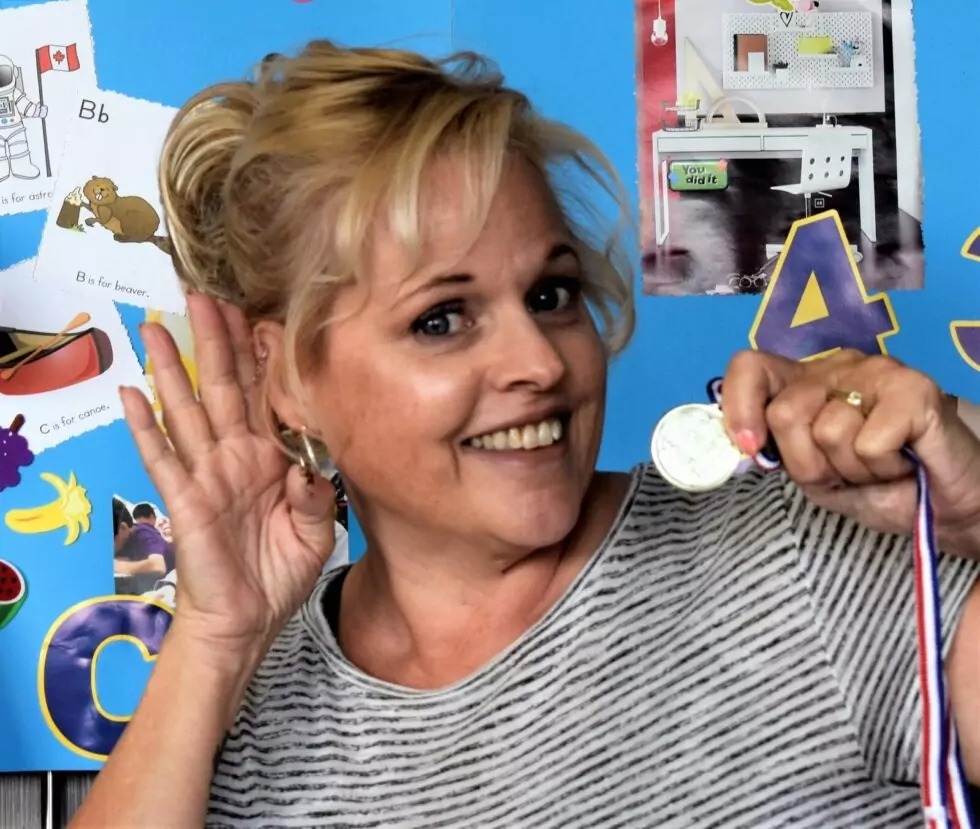
TPR pairs actions with words so that children associate the action with the meaning of the word. Keep several TPR-friendly songs ready on your computer. You will find many opportunities to use them, and young children welcome a break from the lesson content to sing and act out a related song.
Four TPR activities to try
These activities work in both settings with small adjustments:
- Simon Says: Students perform the action only when you say the phrase first. The game drills imperatives and forces students to listen to the whole instruction.
- Freeze: Students move to a verb you call out and stop when you say freeze. Online, students do it seated with their hands and shoulders.
- Action flashcards: Hold up a card and students produce the gesture, then swap roles so a student holds the card and the class responds.
- Guess the action: One student mimes a word from the lesson, and the others say it. This turns comprehension practice into production practice.
TPR costs almost nothing to prepare and adapts to most teaching situations. You can use it to teach grammar points such as verbs, nouns, prepositions, and classroom instructions, and it works with a class of six-year-olds or a group of adult beginners. The method also has real limits, since it suits concrete vocabulary far better than abstract language and some learners need time before they join in.
Teachers get more from TPR when they plan it than when they reach for it to fill a gap. Decide in advance which words you will act out and which gestures you will use, then plan how you will check that students connect the action to the meaning. That planning turns a warm-up into a part of your teaching that supports comprehension in every lesson.