Bridge TEFL
  Expert Series Webinars
  BridgeUniverse Blog
  TEFL Jobs
  Language Training
  About Bridge




As a freelance online English tutor, either on a teacher marketplace platform or running your own business, you may ask yourself, “How can I catch the eye of potential online English students?” Aside from having a professional headshot or a catchy description on your profile, you can use a well-crafted introduction video for teaching English online to stand out from the sea of online teachers. This short video gives you a chance to present yourself to students in a personal way and show them what you have to offer as a teacher.
If you haven’t got an intro video yet, fret not. We’ll tell you more about this marketing tool and how you can create your own – even if you’re not tech-savvy.
If you’re new to teaching, you’ll want to get initial training and qualification with a TEFL certificate. You can explore our online TEFL courses to get started!
What is a self-introduction video for teaching online?
Online ESL classes differ from classroom-based lessons, where students may have a chance to meet the instructor in person before the course starts. Yet, when you promote online English classes, interested learners still want to see what their teacher looks like or hear how he or she speaks, and a video is the best way to achieve this.
For that reason, freelance ESL tutors’ websites or teaching marketplace profiles commonly feature a short self-introduction video. These are one-to-three-minute videos that English teachers use to market themselves as teachers by talking about their credentials and skills and by giving students a glimpse of how their lessons work.
In simple terms, a self-introduction video gives students a quick, personal look at who you are as a teacher. It adds a human touch to your profile and helps learners feel more confident before they book a class.
Why do I need one?
If you’re looking to attract students, an introduction video does the trick.
Showcase your personality and teaching style
The video gives you a chance to grab students’ attention by showcasing your personality. The video ideally sparks your prospective learners’ interest in your classes by explaining what you offer in a fun and enthusiastic way.
Difficult to find online students? Here are some more tips to help you tackle that.
Convey your message quickly
A video spotlights your key qualifications more quickly – it saves time for students who may not read through a list of your online TEFL certifications, experience, and achievements.
Build a connection
Introducing yourself through video is also great for building rapport with your students. Whether your friendly persona or your specializations create the connection, unlimited possibilities help you connect with future learners.
In other words, a strong introduction video helps you market yourself quickly, clearly, and personally. It shows students not just what you do, but also who you are as a teacher, helping you stand out in a competitive online teaching market.

Take charge of your career with the
Teacherpreneur Playbook: How to Build and Manage Your Own Student Portfolio
downloadTips for creating a stellar teacher introduction video

Technical tips
-
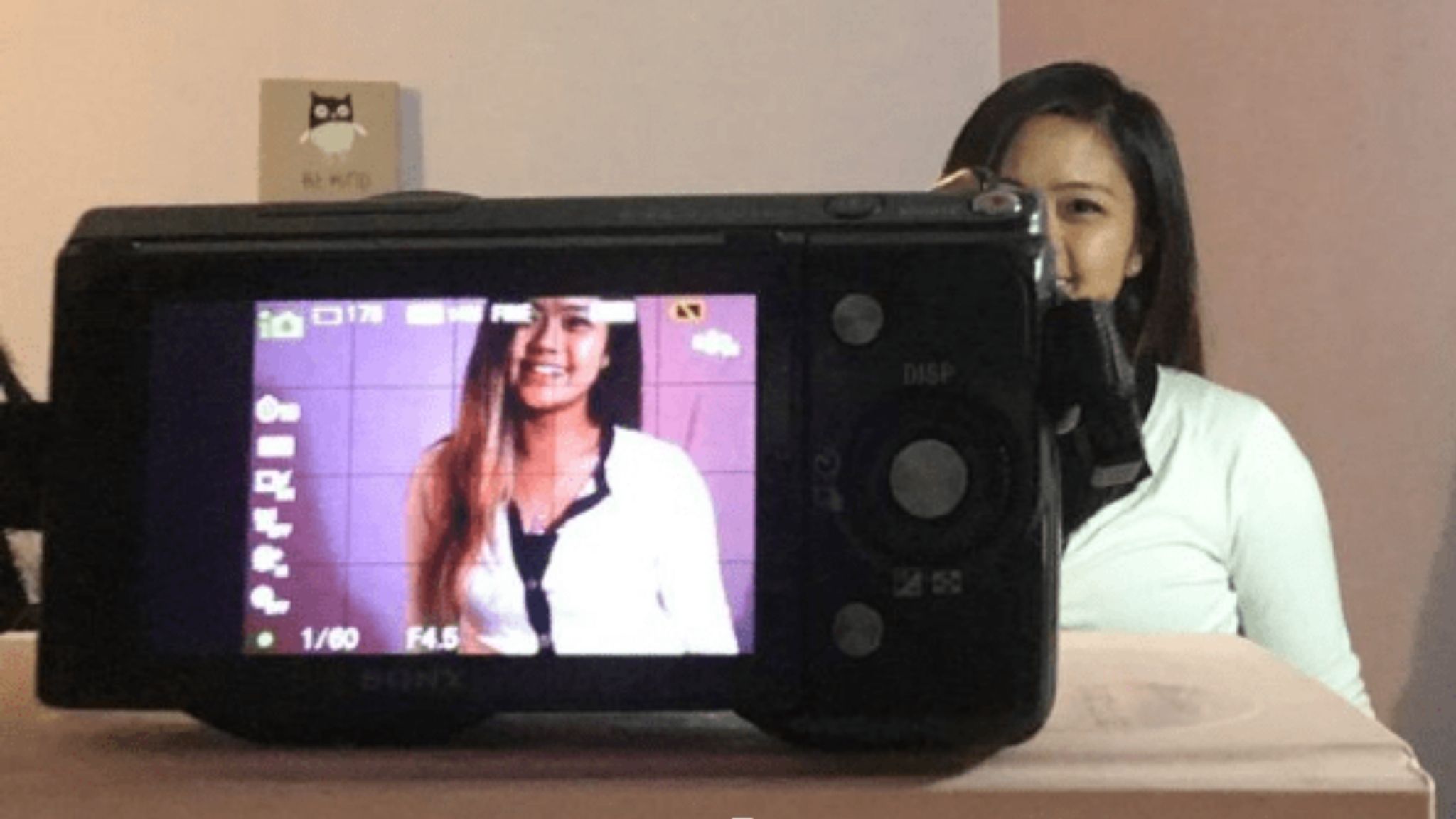
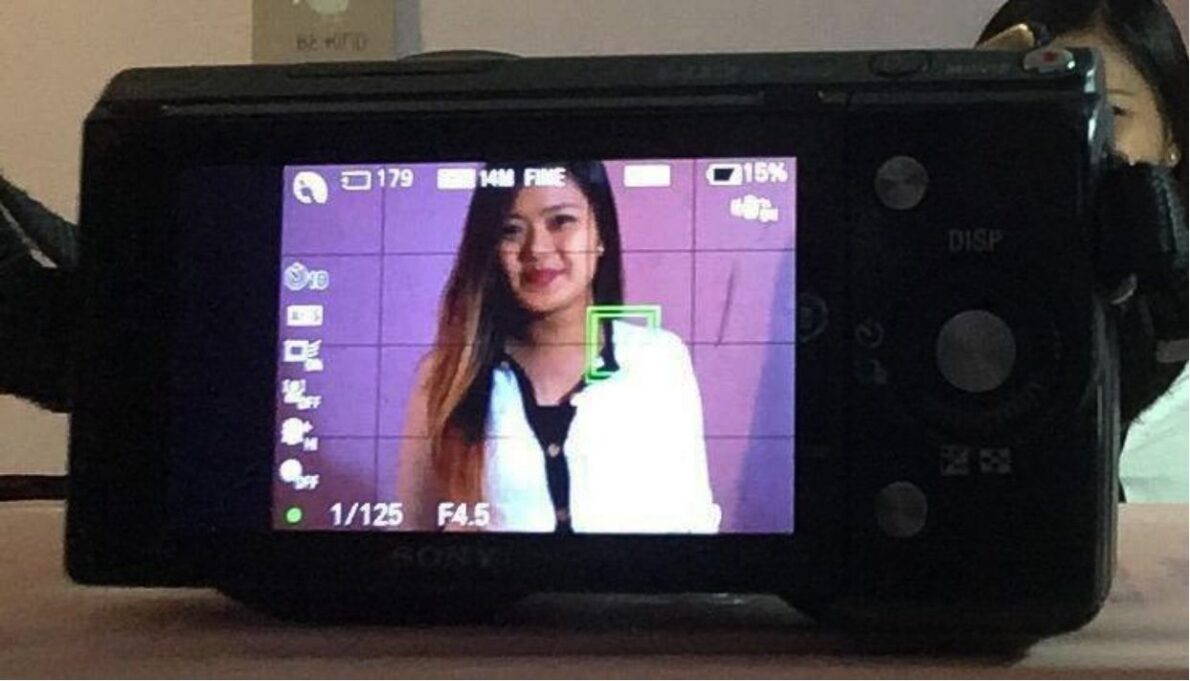
A quality recorder that can film videos of at least 480p (pixels) gives you better results. A digital camera or smartphone is the best option for shooting videos; the built-in webcam on your computer tends to have lower-quality video output.
-
A well-lit environment with good, natural daylight or strong lamp lighting improves your video. Make sure that the light is placed in front of you.
-
Your video should be shot horizontally, as most video players are designed in landscape orientation.
-
The camera should sit on a stable surface, at eye level, and at a distance that makes you visible from the waist up.
-
A quiet place, free from disturbing background noise such as people, traffic, and phone notification sounds, helps your video sound better.
-
Headphones should stay out of your introduction video. This accessory should be reserved for when you’re actually teaching classes.
Overall, the strongest introduction videos feel clear, friendly, and professional without seeming forced. A few simple choices in delivery and setup can make your video much more effective.
What should you say in an online teacher self-introduction video?
Keep in mind that your recording only runs from one to three minutes, so you should be brief and to the point! Also, there isn’t any specific structure for tailoring an introduction video, so don’t be afraid to get creative and let your personality shine through!
Your basic information
Your full name, nationality, educational background, and TEFL certifications are some of the most important details you should mention in your introduction video. You can also add something interesting about yourself, like your hobbies or interests.
Work experience
If you already have teaching experience, you can talk about how you began as well as where and which learner levels you have taught. On the other hand, if you’re new to teaching or have no experience teaching online, you can share what your previous jobs were and why you’re passionate about being an online ESL teacher.
Read more about how newly certified teachers can get relevant TEFL/TESOL experience.
Languages you speak
You can also highlight any foreign languages you speak in your video. A few words in the languages you know can also make your presentation more interesting!
What your online classes are like
You should underscore what you love about teaching English, the kinds of classes you offer (i.e., ESL grammar lessons or conversational classes), and your ESL teaching methods. Also, you should feel free to bring up some of the activities you do in class and the materials you use – they will surely make your lessons look fun and dynamic.
Specializations
Certain teaching areas, like business English, exam preparation, or teaching teenagers, can become your specialization. Many students look for teachers for their specific English needs, so including your specializations in your video gives you an edge.
Your previous career or jobs you’ve done in the past are also worth mentioning. Why? Some learners need teachers who have knowledge or expertise in particular subjects, so you just might be the right English instructor who can help them.
Find out why you should choose an ELT niche as a freelance teacher.
Teaching tools
Students sometimes want to know what your favorite tech tools for teaching are so they can see if those tools will work for them. Do you teach through Zoom, Teams, or other apps? Do you use any special platforms for sharing your class materials? Sharing these details in your video could be vital. Plus, it also shows how prepared and professional you are as an online teacher.
Why students should choose you
Finally, you should engage your prospective students by leaving them with a reason they should book lessons with you. Whether the reason is the fun you’ll have in class or a special methodology that you use, you should point out why you’re the best teacher for them!
The goal is not to say everything about yourself. The goal is to share the details that help students understand who you are, what you teach, and why your classes fit their needs.
Launch your TEFL journey and score your dream job with our free eBook:
Teaching English as a Foreign Language
DownloadReviewing your video
It’s normal not to create a perfect introduction video for teaching online in your first recording. Before you film your final video, practice a few times and see if you like the trial output. Check whether you need to correct anything, and make sure to stick to the guidelines mentioned earlier.
A fresh set of eyes also helps. A family member or a friend could point out something you haven’t noticed or offer advice on improving your video. A little review can save you from posting a video that feels rushed or unclear. Small adjustments often make the final version look much more polished.
Learn more ways to stand out on teacher marketplace platforms.
Saving and sharing your video
Once you have your final recording, you’re ready to upload it to the Web.
Once your video is uploaded and linked, it becomes an easy way for students to learn about you before they book. A simple, accessible setup can help your profile or website work harder for you.
Explore how you can use social media to attract online English students.
Sample self-introduction video for teaching online
Here’s a sample teacher intro video for a freelance online English tutor, if you need some inspiration!
Creating a self-introduction video may seem like one more task on a long to-do list, but it can be one of the most effective ways to present yourself as an online teacher. A strong video creates a powerful first impression and lets students see your personality, hear your voice, and understand what your classes offer before they ever book a lesson.
Whether you’re a self-employed ESL teacher or a tutor advertising your services on a teaching marketplace, following these guidelines will help you use the power of an excellent introduction video to market yourself as a freelance online English teacher and attract more students. To make it work, you just need a short, thoughtful video that shows students who you are, what you teach, and why learning with you will be worth their time.