Bridge TEFL
  Expert Series Webinars
  BridgeUniverse Blog
  TEFL Jobs
  Language Training
  About Bridge





We asked Bridge grad and experienced English teacher-turned-business owner Lorena Siegel, in Playa del Carmen, Mexico, to share her insights into the interview process for prospective teachers. She told us what she looks for when hiring new teachers and shares common TEFL interview questions you may be asked for online or in-person jobs, plus tips on how to answer them.
Getting ready for any interview can be an unnerving experience. So many questions can race through your mind, from “What should I wear?” to “What questions will they ask me?” However, TEFL interviews, whether for online or in-person teaching jobs, can feel even more nerve-racking, in part because you may be new to teaching and in part because these interviews usually take place remotely over Zoom, Teams, or another online platform.
What is the key to acing your teaching interview? Preparation. I taught English for many years, and I now run my own English language tutoring business, so I have sat on both sides of the table as an interviewee and as an interviewer. These dual perspectives help me show you how to prepare for your TEFL interview by sharing what I look for when I hire a new teacher, the specific questions I ask during an interview (and why), and the tips I recommend as you prepare for your own interview.
If you’re new to teaching, you’ll want to get initial training and qualification with a TEFL certificate. You can explore our online TEFL courses to get started!
Before I Ask TEFL Interview Questions, I Look for These Qualities
I try to see the prospective teacher through my students’ eyes, and I think about how the group will view the person standing at the head of the class. Therefore, I focus on the following characteristics, and many schools also prioritize these qualities, whether they operate as traditional brick-and-mortar programs or as online schools.
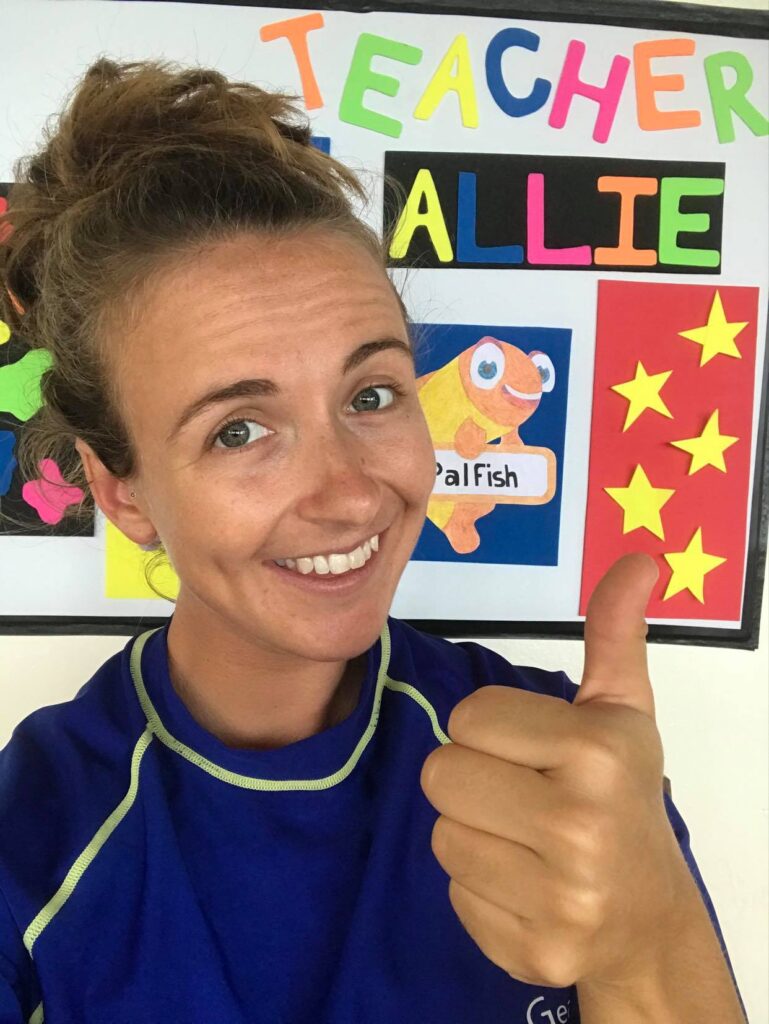
A genuine smile
An authentic smile can create a great first impression and can convey self-assurance and professionalism. It communicates friendliness, and it also communicates accessibility and confidence. Simply put, a warm and genuine smile can help students feel at ease and can motivate them to open themselves up to the process of learning a new language.
Good energy
This may sound a little abstract, but we often depend on our instincts to help us understand the people we meet for the very first time. It goes without saying that judging a book by its cover is never a good idea, but two people can still get a pretty good sense of whether they can work together by the time the interview ends.
Relaxed body language
I look for a person who stays relaxed and open, rather than someone who unconsciously folds her arms over her chest in an attempt to protect herself. Again, I see the teacher applicant from my students’ point of view, so I do my best to make sure that she can come across as confident and emotionally trustworthy. I want to find someone who will know how to create a safe space for my students and who will, in turn, keep them coming back to class.
A clear speaking voice that can easily be understood
Nothing feels worse than a teacher who mumbles, uses “up-speak,” or overloads her sentences with filler words such as “like,” “you know,” and “um.” Many people speak English well, but a person who has a strong command of the language, whose words flow easily, and who stays aware of how others hear her is naturally bound to become an outstanding TEFL teacher.

Teach business English online and join a team of global educators
Bridge Corporate Language Learning
Apply TodayA desire to help others
This question connects closely to why someone wants to teach. I want to hire someone who is reliable and responsible, so I often ask about past experiences in which the candidate helped someone and how those experiences affected them. Because my students matter most to me, I do my best to make sure the person I hire can care about and connect with the people around them.
Adaptability and patience
English students need to feel safe in their environment; otherwise, they will never put what they learned to use in the classroom, or worse yet, they will drop out of class altogether. A calm, patient personality can help students who have difficulty grasping new concepts. If the teacher brings a sense of humor and finds imaginative ways to teach a difficult lesson, that approach scores more points in their favor.
Check out the typical hiring process for online English teaching jobs.
8 TEFL Interview Questions I Ask Prospective Teachers – and Why
Now that we have covered what I look for in a candidate, I can share some of the specific questions I usually ask to determine whether the person has the qualities I want to see. When you apply for an online or in-person TEFL job, you may hear very similar questions, so I include the reasoning behind each one to help you formulate your own best answers.
1. Tell me a little about where you grew up and where you went to school.
This question gives me a general idea of who you are and what your life experiences have been. It also helps me make an emotional connection with you. For example, some people spent their childhood moving from one country to another, while others never left their hometown. One experience is not better than the other; it simply gives me a point of reference about your life without getting too personal.
2. What was your favorite class in school?
If you answer “English,” I can feel fairly sure you feel comfortable, and perhaps even passionate, about the language. However, your favorite subject does not matter as much as your mindset does. If you have an innate interest in learning new things and feel enthusiastic about it, you should find a way to convey that excitement to your interviewer.
3. Why do you want to teach English?
All interviewers ask this question, but you should remember that they want an answer that sets you apart from the other candidates. You might say you are a “people person” or that you really like working with children, but your TEFL resume will probably end up at the bottom of the pile if you do not include specific experiences that prove your statements. You can think along the lines of these examples:
-
I love working with kids! When I was a camp counselor in college, it sparked my interest in teaching because…
-
Teaching is a great fit for me because I’m a people person. When I worked as a tutor in college, I enjoyed getting to know my students and seeing their progress…
-
I believe learning a new language creates opportunities for students, and as an online English teacher, I can put those opportunities within reach of more students worldwide. I learned Spanish online, and the experience…

You should also think about the reasons that make you, or would make you, a good English language teacher. Do you believe you have something different to offer your students? Whatever the reason, you should let the interviewer know what sets you apart from the other candidates.
-
Are you good at listening as well as speaking?
-
Does helping others give you a sense of satisfaction, and if so, in what way?
-
Have you been a language learner yourself, perhaps online? What did you learn from that experience that you can apply to teaching virtually or in person?
4. Tell me about some of your experiences as an English teacher.
This question helps me get a better idea of who you are as a teacher. It brings your resume to life and allows you to speak more specifically about your work or academic history.
If you have experience as a teacher, either teaching English online or in a traditional classroom (at home or abroad), you should share the moments that stand out above all the others and that reflect your skills as a competent teacher. To be sure, a good teacher stays well-organized, arrives at class on time, and takes responsibility for her students’ well-being.
However, a great teacher stays relatable and communicates both abstract and concrete ideas in an exciting and memorable way. She shares information that encourages her class to dig deeper on their own, and her desire for her students to learn becomes contagious. Her talent helps students use their newly acquired skills in the real world without feeling ashamed or embarrassed.
Are you a novice teacher? Here’s how you can get TEFL experience if you’re a first-time teacher.
5. If you haven’t taught English before, what related experience do you have, especially working with children, teens, or adults?
This question helps me see whether your life experiences can make you a good candidate for the position, even though you have not taught. If you have never stood in front of a classroom, you will need to dig deeper and list the things you have done in your life that can apply to teaching. This is also a good time to pull examples of what you learned from your TEFL certification course or to show how previous jobs demonstrate that you are a hard-working, adaptable person who looks forward to learning new things every day. For example:
-
Working at a summer camp shows your enthusiasm for working with children, as does coaching, babysitting, or one-on-one tutoring.
-
If you’ve waited on tables or worked at a fast-food restaurant, you automatically have experience dealing with multitasking in highly stressful situations.
-
Working a job you might consider boring or sitting in front of a computer all day can translate into technology and troubleshooting skills that are key for online English teaching jobs.
-
Even spending the summer mowing lawns shows that you’re a self-starter who can work under difficult conditions, in environments requiring self-motivation.
Remember, all experience is good, and everything you have learned throughout the years, both in and out of school, is valuable knowledge that you can use in the English classroom.
Looking for some TEFL positions? Check the best companies for teaching English online.

6. What do you hope to gain from teaching English?
You should keep in mind that your desire to start teaching English online so you can travel the world as a digital nomad may matter to you, but schools and companies look for teachers who will make a difference in their students’ lives. Schools and companies also aim to set themselves above all others in this highly competitive world, and they will not show much interest in hiring people who will not align themselves with that goal.
You should focus on how you will foster your students’ development or how you will learn and develop professionally. Some example answers might be:
-
I want to help my students broaden their opportunities, such as advancing in their careers or excelling in school, through learning English.
-
I want to make a positive impact on the future of children and hopefully encourage them to be lifelong learners.
-
Having already taught adult students, I’m ready to apply new skills I’ve learned and grow as a teacher by working with young students.
Learn more about how your non-teaching skills can be applied to teaching English.
7. What do you do in your free time (i.e., hobbies, social life, volunteer work, travel)?

This question helps me find out what might set you apart from other candidates. So, you should talk a little about how you live.
-
Do you like to take short trips on your days off and see the sights, or would you rather stay at home with a good book?
-
Do you look forward to hanging out with your friends all weekend, or do you prefer to take long bike rides on your own to reflect and recharge after a long work week?
-
Do you take online classes for personal interest or volunteer in your free time? This can show your interest in personal enrichment or helping others.
8. Do you have any questions for us?
You should always come prepared with questions that show you have researched the school or company and thought about the students you will teach. Try to always keep in mind some questions to ask before taking a TEFL job.
More TEFL Interview Questions You May Be Asked
The following list includes more questions you will probably hear during an interview. You should think about them, write down your ideas, and take care not to use pat answers that may sound insincere or unsubstantial. If possible, you should use your answers to make an emotional connection with the interviewer. You should not memorize your answers, but you should practice them out loud.
-
What personality traits or characteristics do you think make you a good English language teacher?
-
Do you follow a particular teaching philosophy? Please explain it.
-
How do you keep your online English students interested in what you are teaching, and how do you motivate them to learn?
-
What do you find (or think you’ll find) most frustrating/most rewarding about teaching?
-
Are you able to use online teaching tools like a virtual whiteboard, screen sharing, or voice/video recording?
-
How would you handle this type of difficult student behavior (example provided)?
Launch your TEFL journey and score your dream job with our free eBook:
Teaching English as a Foreign Language
DownloadRemember, preparation is key to acing your TEFL/TESOL job interview. You should think about what the school or online company wants in a teacher and why, and you should prepare well-thought-out responses that help you answer common interview questions with confidence.
A successful TEFL interview does not depend on rehearsed lines or impressive buzzwords. It depends on clarity, authenticity, and preparation. When you understand what schools truly look for – professionalism, empathy, adaptability, and strong communication – you can shape your answers with purpose instead of guesswork. Prepare thoughtfully, reflect honestly on your experiences, and walk into your interview ready to show not just that you can teach English, but that you can make a meaningful impact in your students’ lives.