Bridge TEFL
  Expert Series Webinars
  BridgeUniverse Blog
  TEFL Jobs
  Language Training
  About Bridge








You may picture yourself teaching English online as a digital nomad, but you may not be sure which countries to consider. The world offers plenty of places for you to explore and work as an online ESL teacher! Let’s look at the best places for digital nomads to live and teach English online so you can plan your travel-filled, action-packed year ahead.
You’ll want to get initial training and qualification with a TEFL certificate if you’re new to teaching. You can explore our online TEFL courses to get started!
1. Mexico
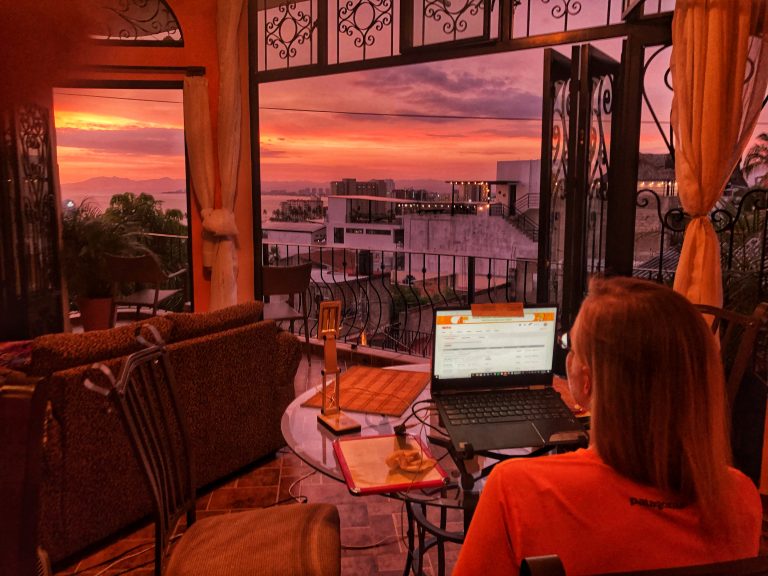
Mexico’s vibrant culture and delicious cuisine are just two reasons why it’s one of the best places for digital nomads to live. You can get access to fast and stable internet and find plenty of co-working spaces and cafés across many Mexican cities and towns when you work remotely. The cost of living in this country is also low ($700 to $2,300 USD monthly), so you’ll be able to live comfortably with cash to spare if you plan ahead.
You can teach English online while staying in places like Mexico City or Oaxaca if you’re keen on working in big cities. You can work in small towns like Sayulita and Tulum if you’re a fan of more relaxing and low-key places. Working as a digital nomad in Mexico means that you’ll always have tons of things to do – from exploring ancient ruins to basking in stunning beaches to going for a quick surf session – when your online English class ends.
-
Digital Nomad Tip: The tourist visa in Mexico lets you stay for up to six months, although you can get a renewable temporary visa that will allow you to live there for a year.
For digital nomads, Mexico makes a lot of sense. The country gives you warm weather, strong remote-work options, affordable living, and no shortage of things to do once the laptop closes. One day can end with tacos and a sunset, and the next with ruins, surf, or a city walk.
Learn more about teaching English in Mexico and get ready for your next adventure.
2. Spain

Your digital nomad life in Spain will never fall short of excitement and adventure, with so many sights, sounds, and tastes to discover. Do you want to visit Gaudí’s buildings after work hours? Go for it. Do you fancy hanging out with friends over a jar of sangria? ¡Diviértete!
Teaching English online as a digital nomad in Spain is relatively convenient: You can find a reliable internet connection in cafés, co-working spaces, and Airbnbs. If you want to work from different locations, traveling across the country by train, bus, or car is also very comfortable.
Most digital nomads in Spain stay in big cities like Madrid and Barcelona, but you can also opt to base yourself in smaller, laid-back towns like Valencia, Seville, and Malaga. The cost of living in this country is also more affordable compared to its neighboring countries ($1,400 to $2,200 USD per month), and you can easily find accommodation starting from $250 USD.
-
Digital Nomad Tip: Joining digital nomad Facebook groups in Spain, such as Digital Nomads Spain and Valencia Coffees & Co-working, is a great way to get more information about living in Spain and connect with other digital nomads.
Life in Spain has a way of feeling full without feeling rushed. Digital nomads can work comfortably, move around easily, and still enjoy the kind of everyday moments that make a place memorable. Spain also gives you a range, from major cities to slower coastal spots. It is practical, but it never feels dull.
3. Japan
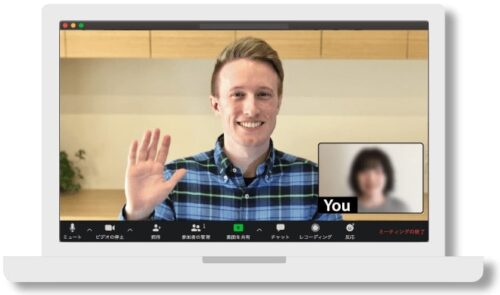
You can take your time exploring the country and trying its unique foods by working in Japan as a digital nomad if you’re an online ESL teacher who’s curious about Japanese culture. You’ll still get to enjoy the country’s well-preserved heritage as well as its cutting-edge technologies, whether you work in large cities like Tokyo and Kyoto or in smaller ones like Nagoya and Fukuoka.
Japan’s efficient and modern public transport system lets you travel around the country with ease. You can find paid and free high-speed Wi-Fi in many establishments, including restaurants, major train stations, and even parks. You can also go to co-working places like Blink Community and Impact HUB if you’re looking for a more established and quieter office space.
Chris, from the US, is one of the English teachers who has thrived in Japan. “Living in Japan is amazing. It’s a beautiful place, and it’s a pretty good mix of traditional culture and futuristic, high-tech stuff.”
-
Digital Nomad Tip: You can rent out or buy a pocket Wi-Fi device if you want to save time and effort looking for places with internet access.
Japan is convenient and fascinating at the same time. It gives online teachers a reliable base, excellent transport, and a culture that keeps everyday life interesting. For a digital nomad, that combination can make work feel far less routine.
Explore everything you need to know to start your TEFL journey in Japan.
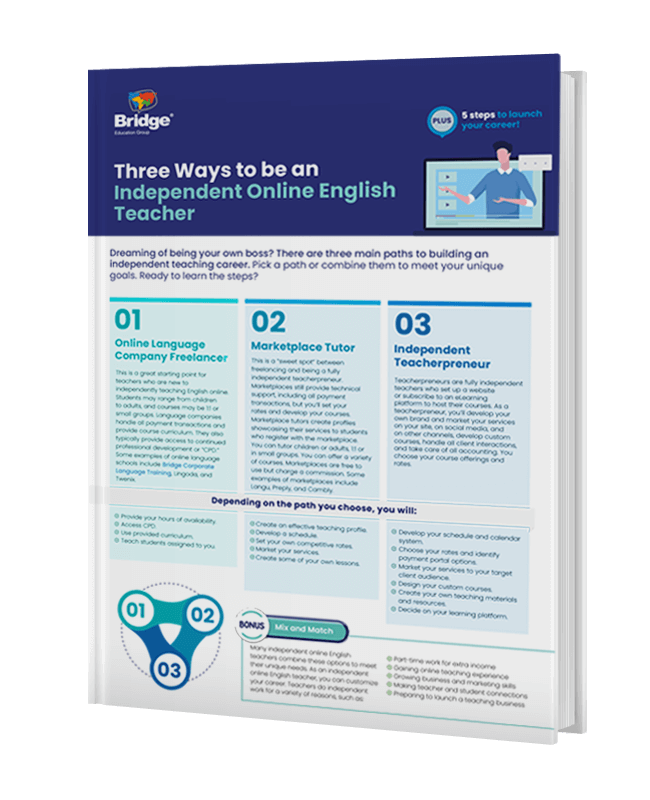
Want to work for yourself? Read the free guide to
Three Ways to Be an Independent Online English Teacher
download4. France

France might just be your next stop if your ideal digital nomadic life involves strolling in art galleries, going to chic restaurants, and indulging in fantastic food after your classes. France has attracted digital nomads mainly for the flexible work-life balance and quality of life it offers as one of the up-and-coming locations for working remotely.
Living in the most touristic city, Paris, can be quite pricey, ranging from $2,000 to $3,500 USD, though it is still possible to thrive as a digital nomad and find cheaper accommodation. You can choose from other regions in France as well. For example, you can work in smaller cities such as Marseille and Toulouse (where the cost of living is significantly lower), or you can set up your own seafront “office” in Nice and still enjoy the advantages of city life.
-
Digital Nomad Tip: If you’re from the EU or the Schengen area, you won’t be required to have a visa while working as a digital nomad in France.
The appeal of France is not hard to understand. You get culture, beauty, good food, and a lifestyle that often feels more intentional than frantic. For digital nomads who want more than just a stable Wi-Fi connection, France offers a setting that can make remote work feel a little more refined.
5. South Korea

South Korea may first bring K-pop, giant tech companies, and kimchi to mind, but it’s also a great destination for working remotely. Big cities like Seoul, Daejeon, and Busan are popular digital nomad hubs, although you can also work on Jeju Island if you want to stay away from the hustle and bustle of big cities.
One of the conveniences of being a digital nomad in South Korea is that nine times out of ten, you’ll have unbeatable web speed (in fact, the internet in South Korea is one of the fastest in the world). You also won’t have problems finding cafés with free internet, thanks to its huge coffee culture.
Hunter, from the US, teaches English at an academy in Seoul, and says living in South Korea has been fun for him because of the people he’s met. “People are very helpful, and I’ve actually made a lot of friends. Even if you eat by yourself, a group of people will just come up to invite you to drink or eat with them. It’s so easy to make friends because people want to be your friend!”
You can explore South Korean cities that never sleep, such as Seoul and Busan, even at night. From having a beer with friends to getting a coffee at 3 AM, there are so many activities for you to do until the sun comes up.
-
Digital Nomad Tip: The South Korean government has announced a special digital nomad visa called F-1-D Workation Visa for anyone wishing to work for a non-Korean company. These visas can last up to two years and may be easier to get than tourist or student visas.
Fast internet matters, but so does the feeling of being somewhere alive. South Korea offers both. A digital nomad can settle into the rhythm of big cities, enjoy the energy around them, and still work without constantly fighting logistics. That makes a real difference when remote work is your daily life, not just your travel fantasy.
6. Thailand
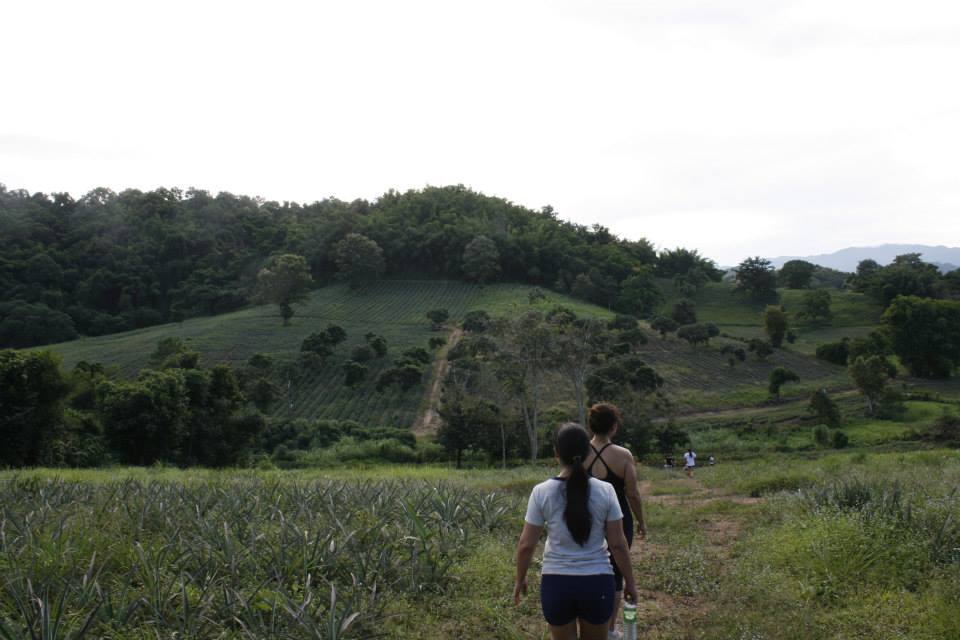
Thailand is a favorite destination of digital nomads because it has so many perks to offer. You have many places to explore, from breathtaking beaches to stunning temples to floating markets. Living here is also very affordable (you can live for less than $1,000 USD per month), and finding a place to stay is not difficult at all.
English teacher Rachel, who has taught in Thailand, says that living in this region is a once-in-a-lifetime experience. “On the weekends, I traveled and explored as much as possible. I would find myself exploring the city I was living in or taking a bus for three hours to the next big city. My friends and I would go walking through fields and forests just to see the landscapes,” she shared.
You can work remotely in Thailand in big cities like Bangkok and Chiang Mai (which is considered the digital nomad capital of the country) and find reliable internet in modern co-working spaces like The Great Room and Punspace. You can also head to provinces or islands like Koh Lanta and Koh Pha Ngan if you’re more drawn to places with an easy-going vibe and still be able to teach from shared workspaces and cafés.
-
Digital nomad Tip: Street food in Thailand is usually cheaper than eating out. Plus, it’s safe and tasty, which is why many people there prefer it to going to restaurants.
Thailand stays on so many digital nomad lists because it earns that spot. Living costs can stay low, starting at $800 USD, the scenery can be stunning, and remote workers can find plenty of places to work without much trouble. It is also the kind of place that makes free time feel like actual free time.
Prepare for your TEFL journey with Bridge’s practical guide to teaching English in Thailand.
7. Brazil
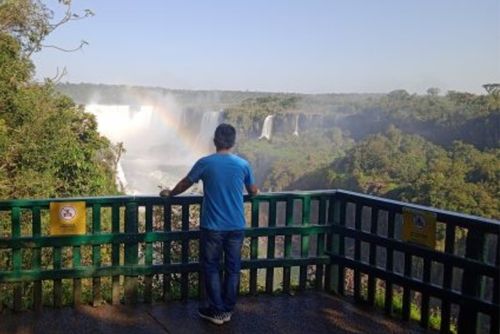
Brazil should be your next destination if you imagine yourself as a digital nomad chilling by the beach or doing outdoor sports during break times. This country also offers a digital nomad visa that lets remote workers live in Brazil for up to one year and receive free public healthcare.
Some of the best places for digital nomads teaching English online in Brazil are Florianopolis and Jericoacoara, both of which are located in Brazil’s coastal areas. In these places, you can find plenty of coffee shops, hotels, and co-working spots with excellent Wi-Fi as well as affordable accommodations. You can also work remotely in São Paulo or Belo Horizonte and get a taste of Brazilian nightlife if you prefer staying in big cities, or go to calmer cities like Foz do Iguaçu and enjoy the quiet in a tropical climate. And while you’re there, make sure you don’t miss out on eating açaí by the beach or feijoada on Saturdays!
-
Digital Nomad Tip: The peak of the tourist season in Brazil is from December through March, with most tourists flocking during Carnaval week.
Beach towns, major cities, outdoor life, nightlife, strong personality, Brazil does not exactly arrive quietly. For digital nomads teaching online, it offers variety and movement, which can make daily life feel much less repetitive. You can build a routine here, but it probably will not be a boring one – and that is part of the point.
8. Costa Rica
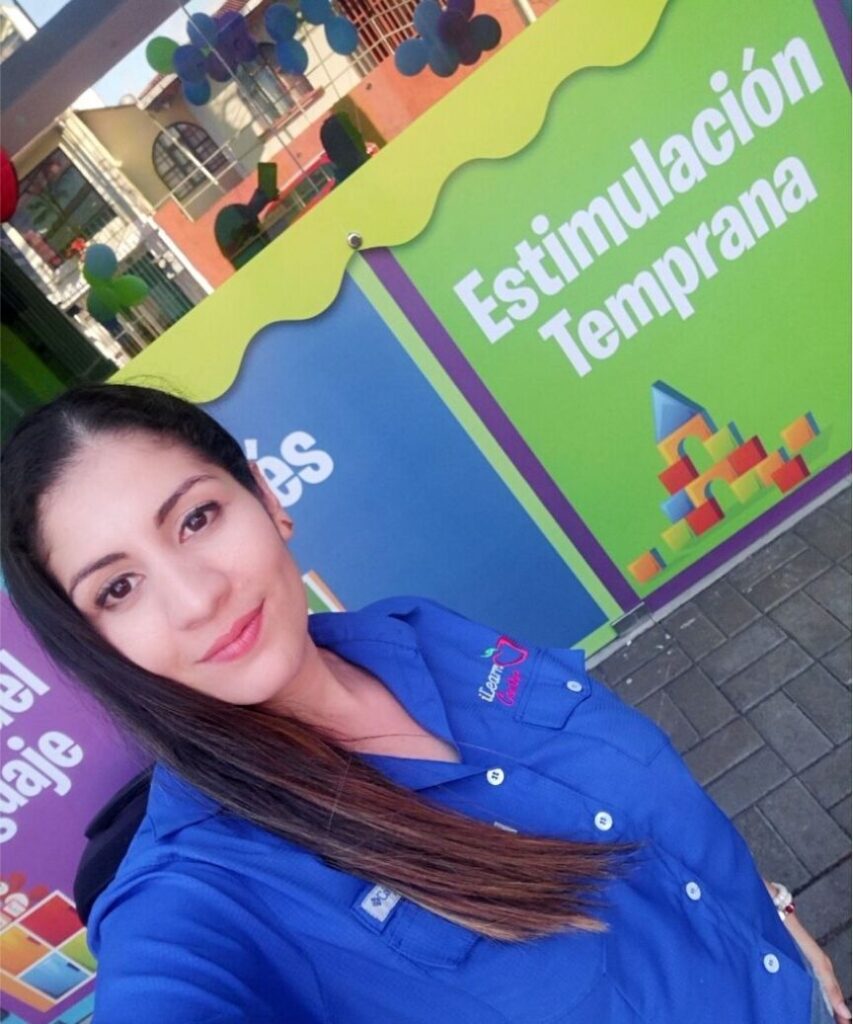
Costa Rica is a haven for many digital nomads, not just for its natural wonders but also for its happy and stress-free pura vida culture. This country offers excellent standards of living, a chance to make lots of friends (it’s a top choice for backpackers and expats), and a long list of activities you can do in your free time.
Arunima, from India, is an English teacher who has been fascinated by the country. “Costa Rica is a very culturally rich and diverse country. It is breathtakingly peaceful and beautiful. The culture is also very accepting of foreigners,” she said.
Costa Rica has recently created a digital nomad visa that permits foreign workers to stay for up to a year without having to pay income tax. You’ll just have to choose where to stay now: oceanside areas like Santa Teresa, Jaco, and Tamarindo are at the top of digital nomads’ lists, but you can also teach English online in the big city of Jaco and learn more about the real Costa Rican way of living.
-
Digital Nomad Tip: If you’re planning to stay in Costa Rica for a few weeks, opt to stay in a hostel, couch surf, or rent an apartment. On the other hand, Airbnbs and local listings may be more convenient for you if you intend to stay for more than a month.
Not every digital nomad wants noise, speed, and constant motion. Costa Rica offers something gentler. The country gives remote workers a calmer pace, beautiful surroundings, and a culture that many people find easy to settle into. Sometimes that kind of atmosphere is exactly what makes work and life fit together better.
9. Italy

Italy is also on many digital nomads’ bucket lists, although vacationers usually flock there. After all, who wouldn’t want to work remotely in a place rich in history, impressive architecture, and incredible food?
You’ll love the ease of traveling across the country by train and finding co-working spaces as an online English teacher traveling around Italy. You’ll find Milan, Rome, or Florence as the most attractive options if you prefer to work in cities with more developed infrastructure. However, some of the excellent choices are Sicily, Bari, and Naples if you’re looking to stay in smaller cities with a lower cost of living.
Natalia, from Ukraine, is an online English teacher based in the south of Italy. When asked what she does in her free time, she shared, “When I don’t teach, I socialize. I try to go out and see someone or find friends, and then learn a new language. I also use this time to go to the sea and just chill. So, the best way to recharge my batteries is to go to the beach alone, without anyone around, and just stay under the sun for an hour or two.”
-
Digital Nomad Tip: The Italian government has approved the “Self-Employed Visa,” which will let digital nomads and freelancers legally work in Italy for one year and be eligible to get a permanent visa after five years – you’ll want to stay tuned for this!
Italy attracts people for obvious reasons, but it keeps them for smaller ones too. The food, the cities, the history, the slower moments in between, all of that shapes the experience of living there. For digital nomads, Italy can turn an ordinary workday into something that feels a bit richer. That is annoyingly charming, but true.
10. Colombia
Colombia is a country that digital nomads teaching English online while traveling can easily call home not just for its colorful culture but also for its diversity of landscapes, amazing weather, low cost of living, and – best of all – its happy and friendly people. You’ll never run out of activity options here, whether you’re into the outdoors or urban life. You can go on street art tours, go hiking in the mountains, learn to dance salsa, or visit historical and religious sites.
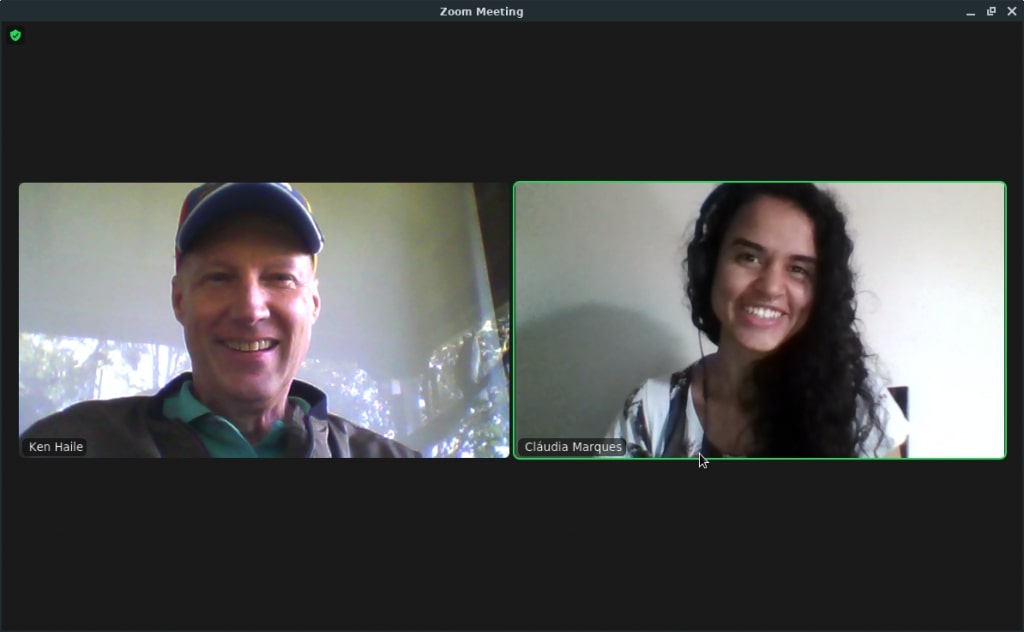
Ken, from the US, chose to retire in Colombia while teaching English online. He also gave us a picture of the place where he lives: “Although Villa de Leyva has plenty of vegetation, its landscape is closest to the deserts of western Colorado or eastern Utah. It also has a history of native American Indians, fossils, and dinosaurs – similar to Colorado and Utah. There’s also a sacred lake called Iguaque nearby. The mountain is often covered in clouds, lending a mysterious atmosphere.”
The majority of digital nomads in Colombia are based in cities like Medellin, Bogota, and Cali. You can teach English online in co-working spaces and with a reliable Wi-Fi connection.
-
Digital Nomad Tip: Although the weather in Colombia is great all year round, the rainy season runs from March to September.
There is a reason Colombia feels easy to warm up to. The country gives digital nomads color, variety, affordability, and a strong sense of life happening around them. Cities like Medellin and Bogota offer a solid base for remote work, while the wider landscape keeps things interesting. Teaching English in Colombia can feel vibrant without feeling overwhelming.
Teaching English as a digital nomad offers far more than the ability to work from a different time zone with a better view. It gives you the chance to experience new countries in a deeper, more personal way, step into local cultures rather than simply pass through them, and build a lifestyle shaped by curiosity, flexibility, and growing independence. As this list shows, there is no single version of the digital nomad life.
Some places offer big-city energy, some offer beachside calm, and others give you a mix of both, but all of them open the door to a way of living that can feel richer, freer, and more connected to the world around you. Once you understand the benefits of working remotely in destinations like these, the question becomes less about whether you can make it happen and more about where you want to go first. All that is left now is to choose the place that fits you best and make the most of everything the journey can give you.